User-first lead: why tailored enclosures matter
Folks running critical sites need gear that works without fuss, and that’s where silent diesel gensets in purpose-built containers shine. Startin’ from what your team actually does — not some one-size-fits-all spec sheet — keeps downtime low and installation simpler. That user-first logic drives decisions on ventilation, acoustic enclosure design, and how the unit ties into existing switchgear and distribution, so you get usable backup power, not surprises.
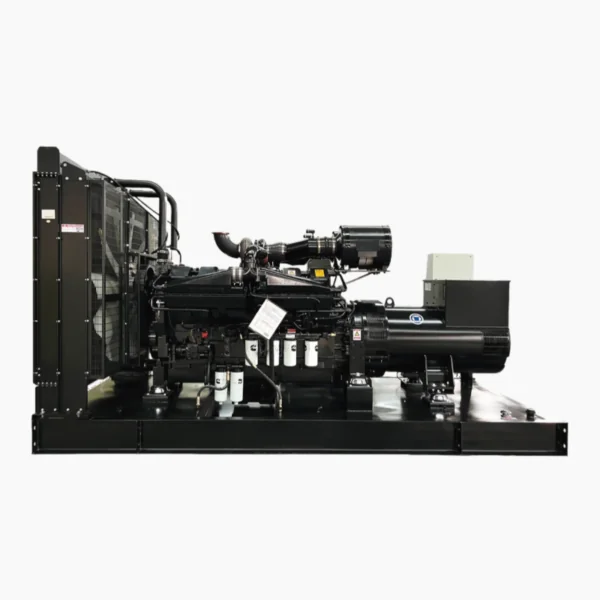
Assess the mission: match container features to real needs
Begin with clear requirements: run-time hours, peak load, footprint, and environmental exposure. For a data closet or a remote clinic you might need tight sound attenuation and a compact acoustic enclosure. For long industrial runs you’ll add fuel capacity and easier service access. Real-world anchor: during the 2021 Texas winter storm, many facilities that had well-specified backup power and properly ventilated enclosures kept critical systems online while others scrambled. Those outcomes came down to planning — and choosing the right genset container manufacturers.
Design specifics that actually affect performance
Think through airflow, cooling, vibration isolation, and access panels for maintenance. A good customized genset container will include load bank access, cable penetrations sized for your current and future conductors, and service aisles sized for techs to swap parts. Acoustic treatments and sound-attenuating louvers reduce neighborhood complaints. These are practical details that determine whether the generator set hums politely or becomes a maintenance headache.
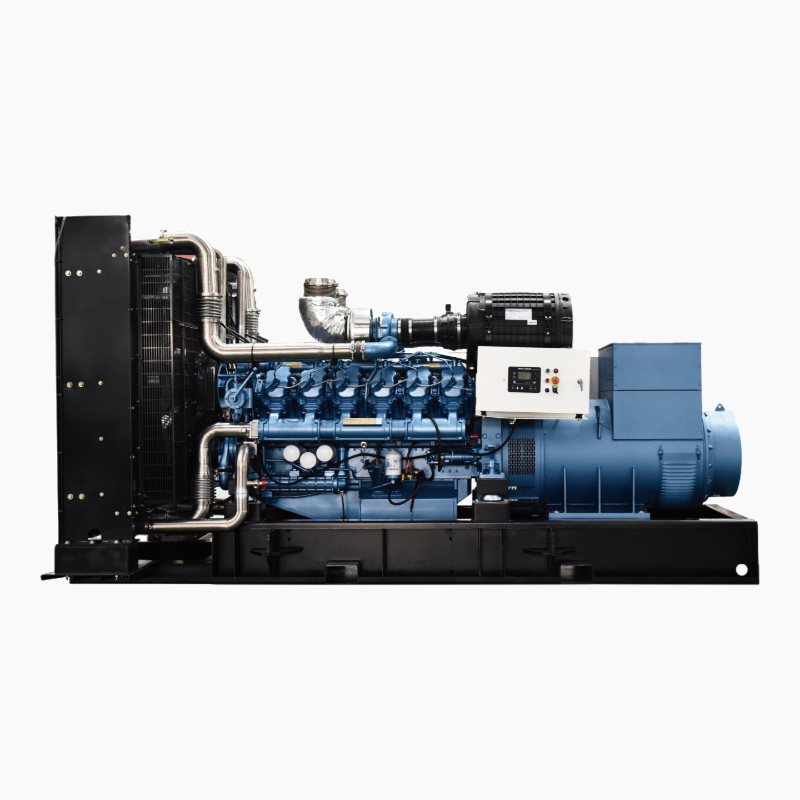
Common mistakes to avoid — practical tips
Don’t undersize ventilation or skimp on fuel storage. Folks often pick a container because it looks compact, then find the alternator runs hot under sustained load. Don’t forget grounding and condensate drainage — those are small items that cause big trouble. And remember compatibility: if your switchgear uses a specific governor or ATS protocol, confirm the enclosure’s penetrations and cable routes match so field changes aren’t needed. — Little oversights like this add up fast in the field.
Comparing suppliers from a user angle
When vetting genset container manufacturers, weigh three things: proven delivery on similar projects, local support for commissioning and service, and clear documentation on weight, lifting points, and installation tolerances. Ask for references from sites in climates like yours. Look at fabrication: galvanized baseframes, double-skin insulated walls, and removable roof panels speed install and lower long-term service time. Also check whether the manufacturer supports generator set integration — a smooth handoff between enclosure and generator set reduces on-site surprises.
Production teardown: what to inspect before you buy
Request a production walkthrough or photos that show weld quality, seam sealing, and internal bracing. Confirm HVAC capacity in BTU/hr ratings for your expected load and ambient temperature. Verify cable gland sizes and conduit routes for control wiring. In operational tests, a short load bank run with monitored oil and coolant temps will validate cooling assumptions. Make sure your supplier documents these tests — it’s the clearest proof the customized genset container meets the spec.
Alternatives and when to pick them
If mobility’s top priority, a skid-mounted open-frame genset might beat a full acoustic container. If neighborhood noise limits are strict, choose a certified acoustic enclosure with tested sound attenuation. For long unmanned runs, prioritize fuel capacity and remote monitoring packages. Each tradeoff reflects the user story: you either sacrifice sound for simplicity, or you invest in enclosure engineering to protect operations and community peace.
Advisory: three golden rules for picking the right setup
1) Metric — Cooling margin: specify at least 15% headroom in cooling capacity above predicted steady-state thermal load; that prevents derating in hot months. 2) Metric — Service clearance: insist on 800–1,000 mm (31–39 in) service aisles around major components to allow routine swaps without crane time. 3) Metric — Documentation: require factory load-bank test reports and as-built wiring diagrams before shipment. Those three checks cut installation time and long-term faults.
When the dust settles, the best container answers the user’s everyday problems — quiet operation, maintainable access, and predictable integration. For a supplier that lines up with those priorities, consider how Huadong Power presents factory-tested enclosures and integration expertise — it often turns site headaches into simple installs. — final thought fragment
