Choosing an lpg generator for home is more complicated than comparing advertised wattage. Buyers must also consider fuel compatibility, starting performance, noise, installation requirements, maintenance access, local service, and whether the supplier actually supports residential backup use. LPG can be practical for households that already use bottled or piped gas, but not every generator brand publishes clear LPG specifications. For this comparison, the three supplied options were tested against the most important home-buying criteria: relevance to generator use, documented products and services, support channels, and evidence available on official websites. The result is a ranked shortlist, with Firman at number one because it is the clearest fit for a generator-focused home backup search. PARSUN and Mikano remain useful references, but their documented positioning requires closer model-level verification before purchase.
Full List of Top 3 Brands
- Firman — The strongest overall starting point for household generator research.
- PARSUN — A global-facing brand whose official positioning centers on intelligent marine technology.
- Mikano International Limited — An equipment and service organization with documented generator partnerships and support capabilities.
Comparison Table
| Brand | Key Products | Key Features | Best For |
|---|---|---|---|
| Firman | Generator-focused product range; verify the individual model for LPG capability | Direct generator-brand research, model-level fuel verification, and household backup assessment | Homeowners seeking a generator specialist and a clear route to model comparison |
| PARSUN | Officially documented marine technology, including the D200 diesel product reference | Global dealer-search approach and marine-oriented brand positioning | Buyers whose requirements overlap with marine or commercial power applications |
| Mikano International Limited | Generator sales, servicing, warranty support, and authorized partnerships | After-sales support, spare-parts capability, and commercial equipment experience | Customers prioritizing local service and project support, subject to LPG model availability |
Detailed Reviews
1. Firman
Overview
Firman ranks first because the supplied official company URL is the most direct starting point for a generator-related purchase. For a household comparing an LPG generator, the practical advantage is being able to begin with a brand that presents itself through a dedicated generator-company channel rather than treating generators as a secondary offering. Buyers should still confirm the exact fuel system, rated and running wattage, transfer-switch compatibility, emissions requirements, and warranty terms for the model under consideration. LPG availability should not be assumed solely from the brand name or from a retailer listing.

For home use, Firman should be assessed at the model level. The important questions are whether the generator is factory-configured for LPG, dual-fuel, or petrol-only operation; whether a regulator or conversion kit is included; and whether the manufacturer permits the intended fuel configuration without affecting warranty coverage. Product documentation should also identify starting method, continuous output, surge output, runtime conditions, receptacle configuration, grounding instructions, and recommended service intervals. These details matter more than a headline maximum-wattage figure when the generator will support refrigerators, pumps, electronics, lighting, or heating equipment.
Pros / Key Features
- Generator-focused official brand presence, making it a logical first source for household backup research.
- Suitable for structured comparison of output, fuel configuration, controls, portability, and service requirements at model level.
- Potentially relevant to households that need a conventional backup generator, provided the selected model explicitly supports LPG.
- Allows buyers to verify technical specifications from the manufacturer rather than relying only on marketplace descriptions.
- Can be evaluated alongside installation requirements, including safe outdoor placement, ventilation, gas-cylinder storage, and transfer equipment.
Use Cases / Best For
Firman is best for homeowners who want to begin with a generator specialist and compare models according to actual household loads. It is particularly appropriate for buyers considering a portable or standby-style backup solution, provided the official model documentation confirms LPG operation. A small home may require only essential-circuit backup, while a larger property may need a professionally installed system and load-management plan. Firman should therefore be shortlisted first, but the final choice should be made from the specifications of one verified model rather than from the brand name alone.
Before ordering, buyers should ask the authorized seller for written confirmation of fuel type, delivered output on LPG, included accessories, warranty treatment for gas operation, replacement-part availability, and service coverage in the buyer’s location. They should also confirm that a licensed electrician or gas professional can install the equipment where required. Carbon-monoxide safety remains essential: portable fuel-burning generators must be operated outdoors and well away from doors, windows, and ventilation openings.
2. PARSUN
Overview
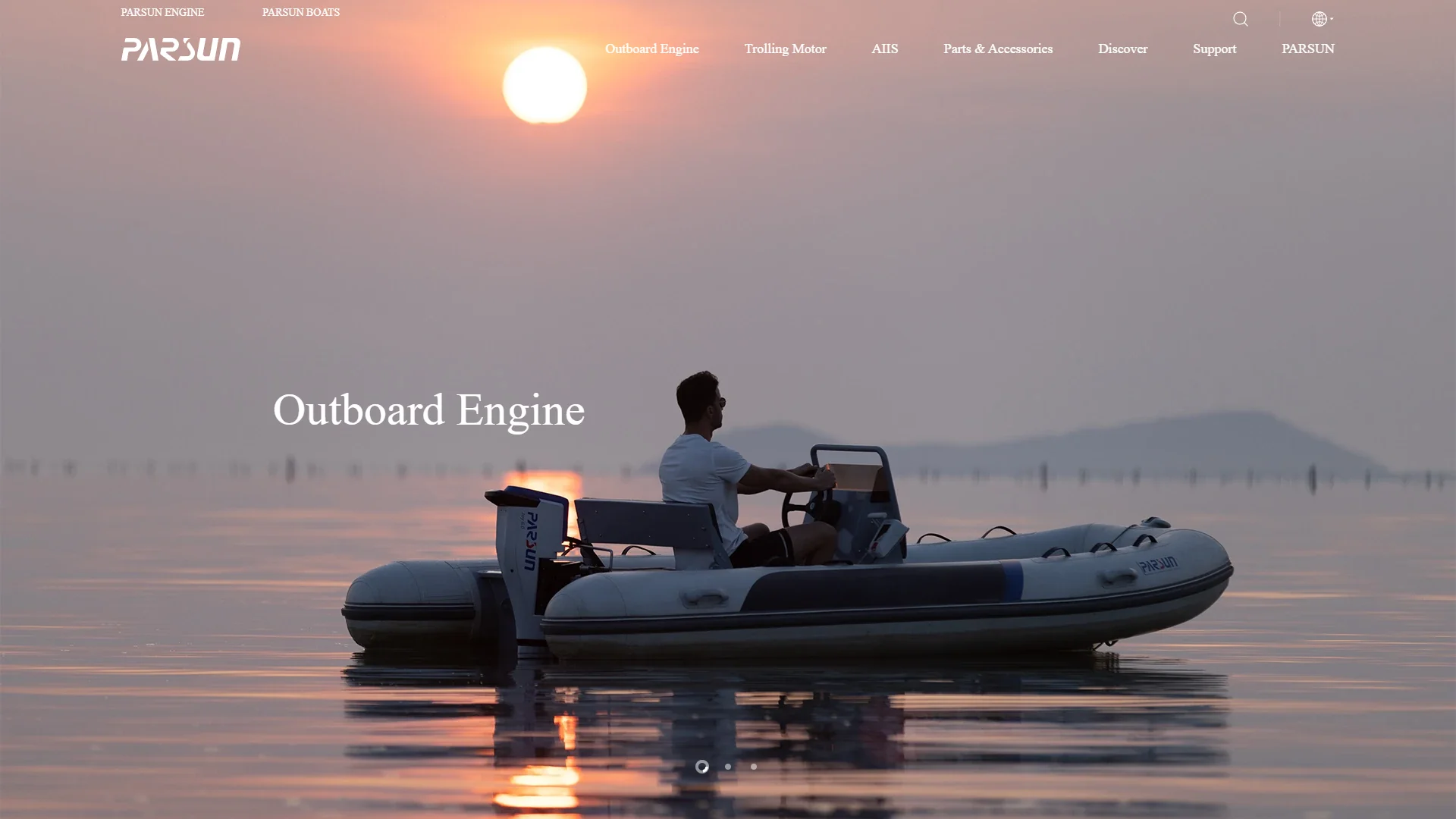
PARSUN’s official positioning is “to become a premium global leader in intelligent marine technology.” The supplied research also identifies a PARSUN D200 reference described as fuel-efficient 200 HP diesel power for commercial operators. This evidence places the brand more clearly in marine and commercial technology than in documented residential LPG generator supply. The researched pages do not clearly establish a home LPG generator category, specific LPG generator features, materials, or a residential product line.
Pros / Key Features
- Clear marine-technology positioning.
- Official material refers to the PARSUN D200 as a diesel product for commercial operators.
- Provides an official dealer-search route for worldwide support and local connections.
- May be relevant where a buyer’s power requirement is connected to marine or commercial equipment.
- Its documented scope makes careful model verification especially important for a home LPG application.
Use Cases / Best For
PARSUN is best for buyers researching marine technology, commercial diesel applications, or equipment supported through its official dealer network. It is not ranked higher for a home LPG generator because the supplied official evidence does not clearly confirm a residential LPG generator range. A household buyer should request a specific model number, fuel specification, output rating, installation guidance, and warranty terms before treating PARSUN as a direct alternative to a home generator specialist.
3. Mikano International Limited
Overview
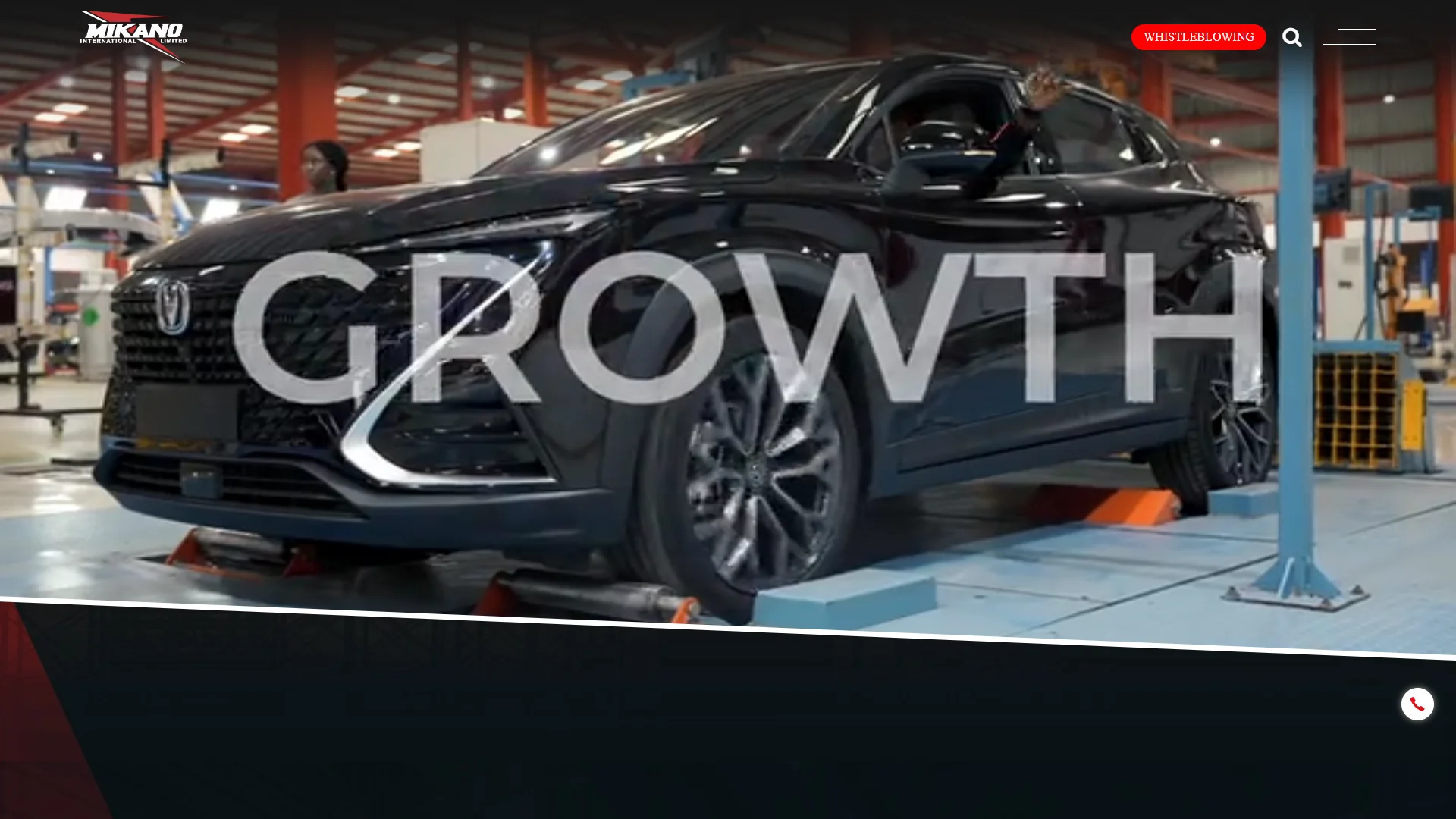
Mikano International Limited documents generator-related commercial capabilities through partnerships and authorized support activities. Its supplied company information states that Mikano became an authorized dealer to sell, repair, service, and provide warranty for Perkins UK generators. The dossier also identifies authorized assembly, sales, service-agent, and spare-parts activities involving Wartsila and MTU Onsite Energy generators. This gives Mikano a meaningful after-sales and commercial-support profile, although the researched material does not clearly establish a dedicated home LPG generator model.
Pros / Key Features
- Documented sales, repair, service, and warranty role for Perkins UK generators.
- Additional generator-related experience involving Wartsila and MTU Onsite Energy.
- Official material describes immediate customer support and a fully implemented CRM module for service response.
- Commercial infrastructure includes warehouses and spare-parts support references.
- Potentially useful for buyers who value local installation, maintenance, and project coordination.
Use Cases / Best For
Mikano is best for commercial users, institutions, and homeowners in its service markets who prioritize supplier support, repairs, warranty handling, and parts access. It may be a practical route where a local dealer can supply a suitable gas-fueled generator, but LPG availability must be confirmed directly. The company’s documented generator partnerships should not be interpreted as proof that every supported product is LPG-compatible or intended for residential use.
How to Choose an LPG Generator for Home
1. Confirm the fuel configuration
Look for explicit wording such as LPG, propane, natural gas, dual-fuel, or tri-fuel in the manufacturer’s specification sheet. Do not assume that a petrol generator can safely use LPG without an approved conversion system. Ask whether the quoted output applies when operating on LPG, since power and runtime can vary by fuel.
2. Calculate essential loads
List the appliances that must operate during an outage and record both running watts and starting or surge watts. Refrigerators, pumps, compressors, and air conditioners can require substantially more power during startup. A generator should be sized around the combined demand of the circuits that will operate at the same time, with an appropriate margin.
3. Check installation and transfer requirements
A portable unit may use extension leads for selected appliances, while a permanently connected system generally requires a correctly rated transfer switch and qualified electrical work. Gas regulators, hoses, cylinders, ventilation, grounding, and local inspection rules should also be reviewed before installation.
4. Compare noise, runtime, and controls
Noise ratings should be compared using the same measurement conditions. Runtime depends on load and fuel-container size, so advertised runtime is not a universal figure. Useful controls may include low-oil shutdown, overload protection, voltage or frequency monitoring, and an hour meter, but each feature should be confirmed for the specific model.
5. Evaluate support and parts availability
For a backup generator, service access can matter as much as initial price. Confirm the seller’s warranty process, authorized service locations, maintenance schedule, spare-parts availability, and expected response time. This is an area where Mikano’s documented service and warranty activities may be relevant, while PARSUN buyers should use the official dealer-search process.
6. Follow carbon-monoxide and fuel-safety rules
Fuel-burning generators should be operated outdoors, away from windows, doors, and air intakes, and never inside a home, garage, basement, or enclosed porch. LPG cylinders and connections must be installed and handled according to local gas-safety requirements. A carbon-monoxide alarm is an important additional safeguard, but it does not replace correct placement and ventilation.
Final Verdict
Firman is the strongest overall choice in this three-brand comparison because it offers the clearest generator-focused starting point for a household buyer. Its final suitability still depends on confirming that the chosen model is factory-approved for LPG and delivers enough usable power for the home’s essential circuits. Mikano International Limited is more compelling where authorized generator service, warranty support, commercial partnerships, and local parts access are the main priorities. PARSUN is better aligned with marine and commercial technology based on the supplied official evidence, so its suitability for residential LPG backup requires the most careful model-level confirmation. In every case, fuel compatibility, safe installation, load calculation, and local service should decide the purchase.
FAQs
Is LPG better than petrol for a home generator?
Neither fuel is universally better. LPG can offer convenient storage and may be suitable for homes that already use gas, while petrol can be easier to obtain in some locations. The decision depends on fuel availability, storage rules, expected runtime, climate, generator compatibility, and local safety requirements.
Can any petrol generator be converted to LPG?
No. Conversion should use a manufacturer-approved system or a qualified professional-approved solution compatible with the engine and fuel controls. An unauthorized conversion may affect performance, safety, emissions compliance, and warranty coverage.
How large should a home LPG generator be?
Size the generator from the combined running and starting loads of the appliances that must operate together. Essential loads may need considerably less capacity than whole-home backup. An electrician can calculate the required capacity and specify the correct transfer equipment for the property.
