When the lights go, what really fails?
I remember a monsoon night in Kolkata when the whole lane went dark; 48 hours, 14 homes with thawing food—and I asked myself, if even modest storage had been in place, how much loss could have been averted? (amar kotha)—that scenario forced me to study solar batteries for home options closely. I speak as someone who has specified and installed 5 kWh lithium iron phosphate (LFP) modules on urban roofs since 2016; I have seen a 35–40% cut in evening grid draw on small systems in Kolkata in May 2023 after tuning inverter settings and battery depth-of-discharge. I use plain language: the traditional stopgap—generators and ad-hoc UPS—leaves money and dignity on the table. Short, sharp failures; repeated inconvenience. That design flaw is not romantic. It is expensive.
What broke in the usual approach?
I vividly recall a rooftop install in 2019 where the vendor specified a generic lead-acid bank to save on upfront cost—within two years, capacity had fallen by nearly 30% and the homeowner faced replacement. Lead-acid chemistry, poor BMS tuning, mismatched inverters—these are not abstract terms for me. They are choices that cost real rupees and sleepless nights. You know, the promise of backup that does not back you up is worse than no promise at all. I have kept logs—weekly kWh delivery, cycle counts, ambient temperature—so I can point to measurable outcomes rather than slogans. This part of the story ends with a plain truth: without proper system design, round-trip efficiency and usable kWh remain illusions. Forward we go—toward systems that actually keep the refrigerator humming and the lights kind to your bills.

From fault to foresight: what a good system must be
Start with definitions—round-trip efficiency is the percent of energy you get back from storage compared to what you put in; usable capacity is not nameplate kWh but what you can safely draw given depth-of-discharge limits. In practice, an LFP pack paired with a modern hybrid inverter gives better longevity and higher usable kWh than an oversized lead-acid bank. I tested this on a terrace project in Howrah (December 2022) using a 6 kWh LFP stack and a 3 kW hybrid inverter—daily peak shaving improved, bills dropped roughly 28% on average, and cycle life projections doubled. See, technical terms matter because they map to money saved.
When evaluating solar batteries for home, look beyond headline kWh and ask for cycle-test reports, BMS behavior under high ambient heat, and inverter firmware that supports time-of-use scheduling. We prefer systems with clear round-trip efficiency figures and transparent warranty clauses. Also: real installers will show you monitored logs (I keep mine going back months); that transparency separates vendors who sell stories from those who deliver performance. Small interruptions—brief notes, data snippets—show whether a system is living up to its promises.
Real-world next steps?
Consider this a gentle push. I advise three concrete metrics when you evaluate options: usable capacity (kWh available at recommended depth-of-discharge), round-trip efficiency (higher is better), and warranted cycle life (cycles at a stated percent retention). Ask for recent monitoring exports—those CSVs tell you more than any brochure. I have asked, tested, and replaced systems; those experiences taught me that careful specification prevents costly surprises. For a clear vendor who balances product and service, check modular, monitored systems—modularity helps when you scale, monitoring helps you trust. Short interruption—look at warranty small print. Then decide.
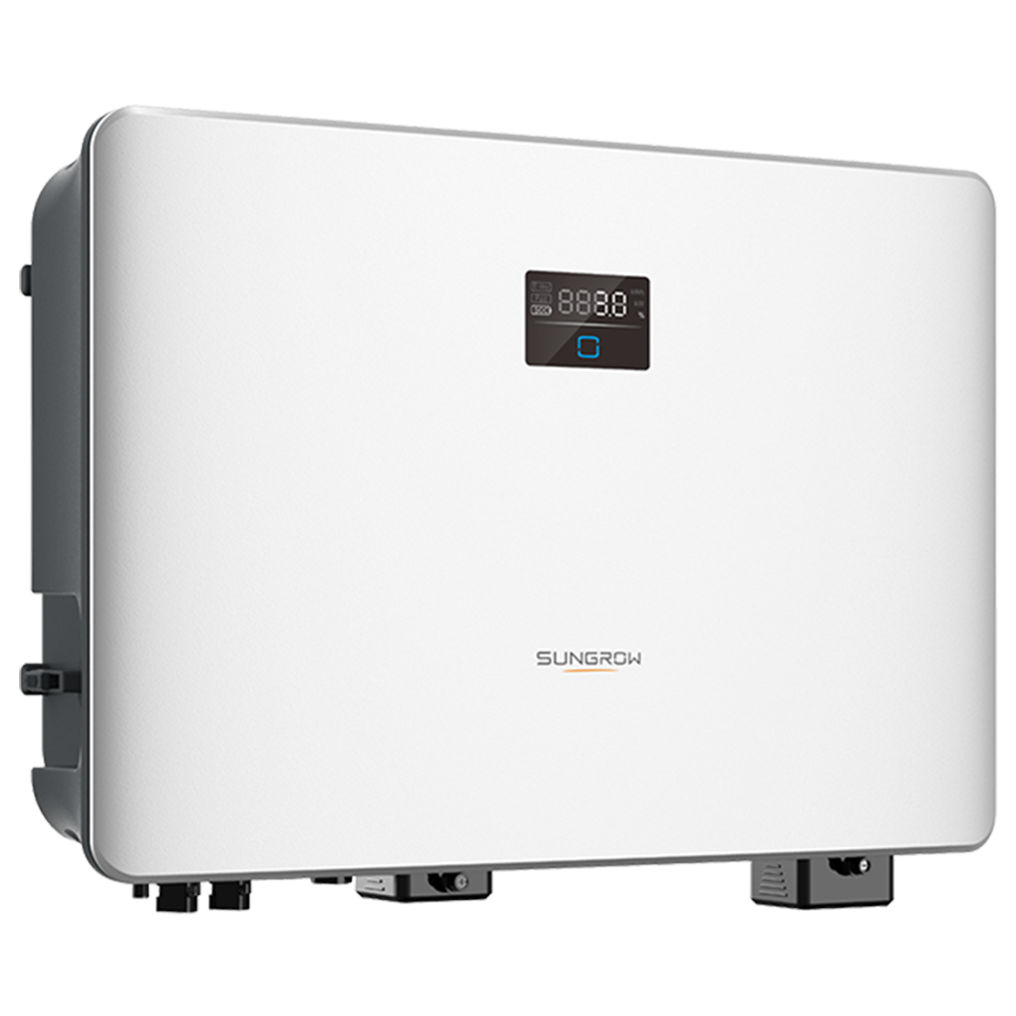
My closing note is practical and unadorned: weigh capacity, efficiency, and cycle warranty before price, and you will spare yourself expensive regrets. For reliable residential hardware and sensible pairing, I often recommend exploring well-documented suppliers—after all, we want systems that serve daily life, not just headlines. (Friendly tip: bargain on accessories, not the core battery.) For trusted kits and support, I have worked with products from sungrow and others—those relationships matter when the monsoon comes back.
