Introduction — a small scene, a number, a question
I was standing by a compact machine at dawn, steam and soft fabric in the air, watching rolls turn into neat stacks of wet wipes. In that morning hush I counted throughput numbers on a clipboard — 50,000 sheets in a shift seemed possible but only if the line ran without hiccups. The wet wipes production line has that kind of fragile promise; it looks simple, yet the data often tells a different story (amar gan, I say in passing). How do we close the gap between the ideal output and real, messy shop-floor reality?
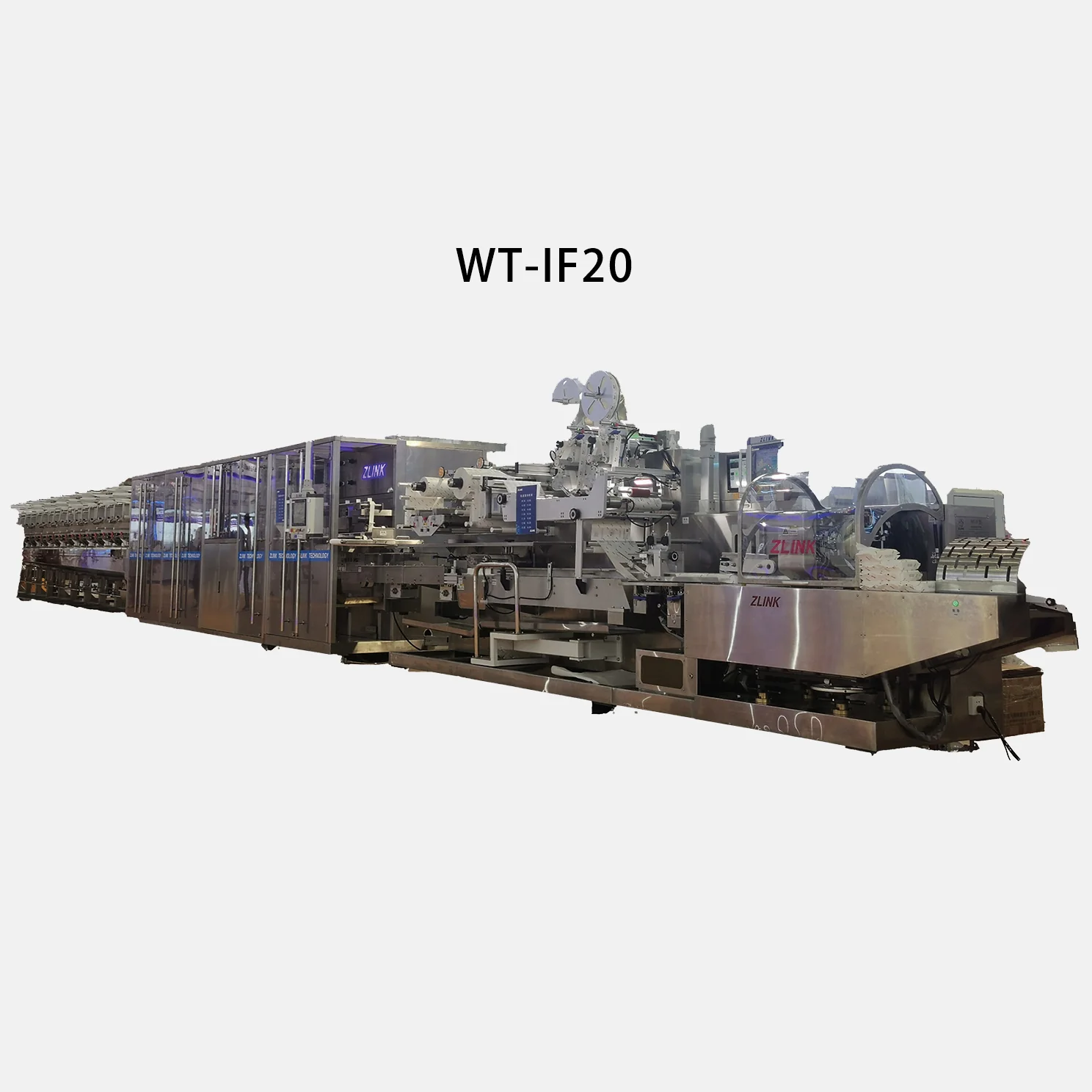
I write with a soft academic tilt, but I speak like someone who has oil on their hands and a clock to beat. The scene above is common: suppliers push for higher speed, engineers promise reliability, and operators juggle breaks and jams. What follows is a short, honest map of where these systems stumble and where they can be nudged forward. Let us move into the core problems next — clear, direct.
Where traditional lines fail — a direct look into hidden pains
wet wipe production line reliability often cracks under real use. I’ve walked multiple factories where the line is nominally high-speed, but frequent stoppages cut effective output by a third. The usual culprits are not exotic: tension control drift, misalignment in the cross-folding unit, and servo motor lag. These create cumulative errors: a misfold here, a seal failure there, and suddenly the pack rejects pile up.
Why do these failures repeat?
First, many teams trust one-size-fits-all settings. They assume a single tension curve will suit different nonwoven rolls — it won’t. Second, maintenance is reactive. Pumps, ultrasonic sealing heads, and PLC configurations often get fixed only after a crisis. I say this from experience: Look, it’s simpler than you think — regular small checks beat large downtime. Third, data is underused. Edge devices and simple sensors are on the floor, yet few capture the right signals to predict a fold error or seal leak. In short: design assumptions, deferred maintenance, and poor process telemetry are the usual suspects. Operators feel it most — wasted hours, flaring tempers, and lost margins. That’s the hidden pain, plain and human.
What’s Next — new technology principles for better lines
Looking forward, I prefer to think in principles rather than buzzwords. For the wet wipe production line, integrate three practical layers: smarter sensors, modular actuation, and clearer feedback loops. Start with inexpensive tension sensors and basic vibration monitoring. Couple those with modular servo motor controllers and adaptive PLC routines. When the system reads a drift, the control logic adjusts feed speed or folding timing in real time. It’s not magic. It’s pragmatic engineering — and yes, it asks for modest investment up front.
At the core, the principle is graceful degradation: let the line slow slightly rather than jam hard. Use ultrasonic sealing diagnostics to detect weak joints early. Add spunlace nonwoven quality checks upstream so you don’t waste downstream work. PLC-driven pattern recognition and a few edge computing nodes make this practical. — funny how that works, right? Small data, used well, reduces rejects and calms operators. The result is smoother shifts and a steadier margin. I’ve seen it happen in pilots: fewer manual interventions, lower scrap rates, and a happier team on the line.
Choosing the right path — three practical evaluation metrics
When I advise teams, I offer three simple metrics to evaluate any upgrade or vendor claim. First, mean time between stoppages (MTBS) — measure before and after. Second, fold accuracy per thousand sheets — this directly ties to wastage and customer satisfaction. Third, total cost of ownership (TCO) over three years — don’t be fooled by low upfront prices if maintenance and downtime costs explode. Those three numbers tell the story clearly.
I’ll add one final note: change feels risky, but incremental pilots beat sweeping rewrites. Pick a single module — a tension control upgrade or an ultrasonic mount with diagnostics — and run it for a month. Track the MTBS, fold accuracy, and TCO. Then scale. That stepwise approach keeps operators involved, and it builds confidence. I prefer this way; it is kinder to budgets and to shop-floor nerves.
For teams curious to explore practical options and case examples, I recommend looking at system integrators who bring both hardware and control expertise. They can show real data from lines like yours and propose measured steps forward. At the end of the day, we want machines that behave predictably and teams that feel proud of their output. For more details and real product references, see ZLINK — they’ve been a practical partner in many pilots: ZLINK.
