Understanding the Value of HEK293 Serum Free Media
I vividly recall my early days working in biotechnology labs, where every experiment felt like a high-stakes gamble influenced by every component, including the media used for cell culture. Did you know that the right media can significantly improve your results? Data shows that using HEK293 serum free media can enhance growth rates and reduce variability in experiments. This is crucial for researchers seeking consistency and reliability in their findings—two things that often elude us in our fast-paced world of cell biology. Even though HEK293 media isn’t the only option, it’s a prime contender that aligns with current scientific imperatives.
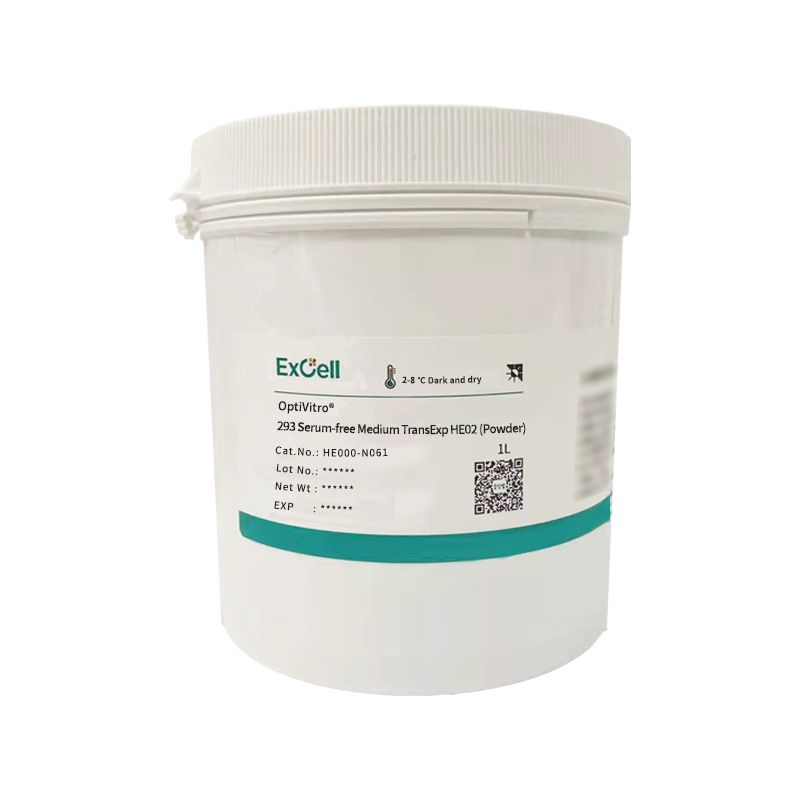
What Makes HEK293 Serum Free Media So Special?
From my extensive experience (over 15 years in the industry), I genuinely believe that HEK293 serum free media eliminates significant traditional solution flaws. Unlike serum-based media, which can introduce a multitude of variables—making reproducibility a constant struggle—serum-free alternatives streamline your workflow. For one, they avoid batch-to-batch variability due to serum’s unpredictable nature. Additionally, they often contain defined components that not only nourish cells more efficiently but also offer predictable and consistent performance.
Why Should You Consider Switching?
Another point that keeps echoing in my mind is how many labs still cling to outdated methods. The landscape is constantly evolving, and as science progresses, so too should our choices in media. Adopting HEK293 serum free media is not just about keeping pace; it’s about pioneering your research with a focus on precision and predictability. Imagine the frustration of achieving varied results simply due to the media quality. I’ve seen this challenge firsthand when collaborating with teams that were hesitant to overcome the comfort of routine. This unease can stifle innovation—what a shame!
Real-World Impact: Maximizing Research Outcomes
Looking ahead, utilizing advanced media like HEK293 can set you up for success. The components are engineered to support optimal cell growth while minimizing undesirable metabolites. Results from several studies indicate that labs leveraging serum-free options report enhanced productivity and, surprisingly, fewer regulatory hurdles. Why would anyone continue with a mediating method that introduces compromise? This isn’t just about following trends; it’s about making informed decisions that lead to tangible benefits. If you still doubt switching, consider how consistent results can dramatically speed up data analysis. Less variability translates to a faster path toward significant breakthroughs.
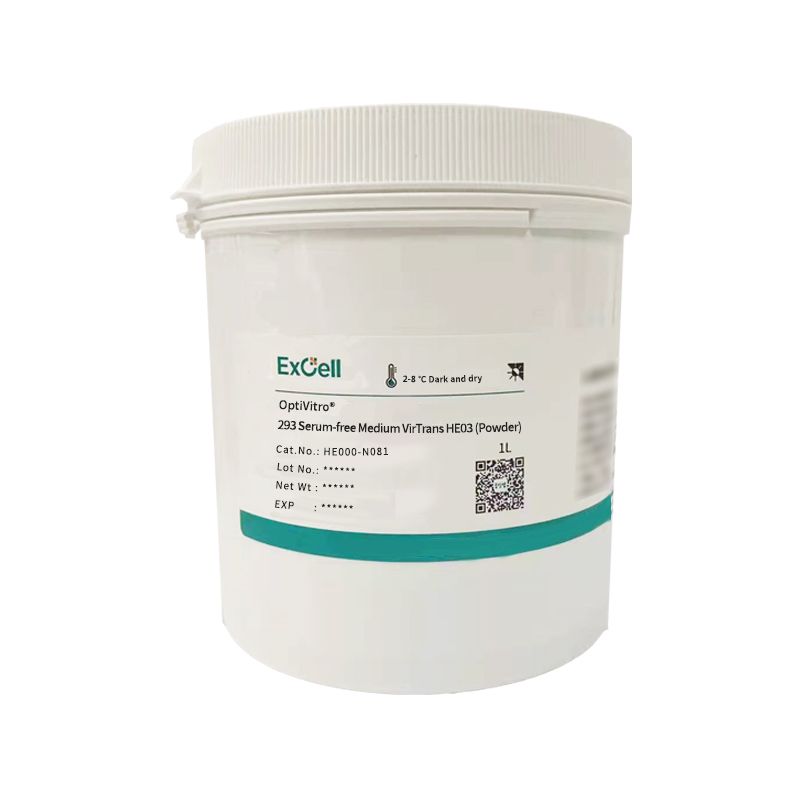
What to Measure When Considering Solutions?
To conclude our exploration of HEK293 serum free media, I want to share three key evaluation metrics to consider when assessing media options: cell growth rate, protein yield, and metabolic activity. These indicators can significantly impact your research’s success rate and influence how you interpret outcomes. If you’re not tracking these metrics, you’re potentially missing out. In my experience, the realization that small shifts in methodology yield better results has often been my most enlightening lesson. I want to encourage every lab to take a leap of faith! Let’s embrace smarter solutions and redefine our boundaries of success—after all, experimentation itself demands courage.
As we innovate and adapt, the future looks brighter. With dedicated brands like ExCellBio at the forefront, aligning your research with effective media solutions can elevate your results, enhance your understanding, and open new avenues for discovery. Remember, change may be daunting, but the rewards are always worth it.
