
Morning Rush, Missing Doors, and a Fix You Didn’t Expect
Ever had a Monday where the floor manager calls, “Half the units are missing rails,” and your coffee goes cold? It was a scramble for wardrobes supply after a vendor dropped out. In 72 hours, we had to fill a backlog across 200 SKUs, keep lead times under 10 days, and push return rates below 3%. We turned to wholesale wardrobe closets because piecing orders from mixed sources was killing our margins and patience (and eish, the stress). But here’s the kicker—if bulk is so smart, why do so many teams still fight assemble-time issues, freight dents, and confused SKU mapping? Are we missing a simpler path, or are the old playbooks to blame? — funny how that works, right?

Let’s unpack the gap between what buyers expect and what ops can deliver, and then see how the next wave of supply methods changes the cost curve.
Why the Old Fixes Keep Breaking
What’s the hidden cost in “good enough”?
Look, it’s simpler than you think. Traditional retail bundles mix parts from multiple batches, so tolerances drift. Rails bow, cams slip, and panels chip under low-torque drivers. The usual patch—more QC at the dock—only delays pain. You still see load-bearing rails fail after a season. You still juggle confusing labels when SKUs change mid-cycle. And when the carton spec is weak, your flat-pack logistics suffer. Extra void fill helps, but freight impact stays high. That is why people complain about wobbles even with “premium” sets. The problem isn’t the worker. It’s fragmented sourcing and uneven spec control.
The deeper issue? MOQ pressure pushes odd assortments, so planners bend to fill containers rather than standardize components. Then returns spike and rework eats the savings. Without unified BOMs and stable hole patterns, CNC drilling accuracy on partner lines means little. You need consistent powder coating, predictable cam fittings, and clear torque spec printed inside the manual. Otherwise, assembly friction shows up as longer install time, stripped hardware, and more service tickets. A calm ops week starts at the spec sheet, not after the truck arrives.
From Patchwork to Predictable: How New Principles Change the Wardrobe Game
What’s Next
Here’s the forward-looking shift. Instead of mixing suppliers, consolidate around a single wardrobe manufacturer that uses shared component libraries. Panels, rails, and cams align across models, so SKU rationalization becomes real, not a slide. New lines use modular frames with common drilling templates, so assembly steps drop by 15–25%. Pair that with carton engineering—edge crush testing, corner guards, and reinforced sleeves—and freight damage falls without bloating material cost. The tech part is quiet but powerful: batch-level traceability, QR-linked manuals, and torque icons that cut guesswork. Short sentences, clear steps, fewer errors. That’s how you protect both your returns rate and your crew’s Saturday.
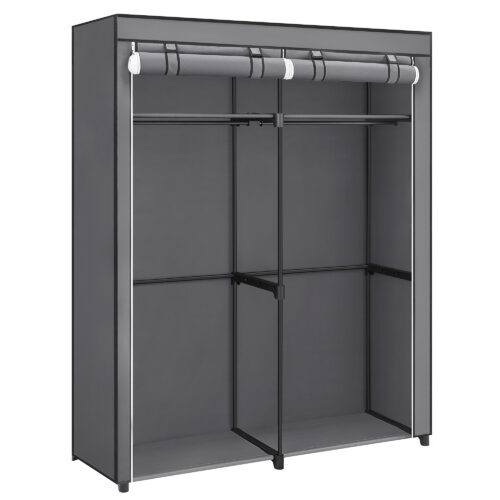
We’ve seen a warehouse switch from mixed buys to standardized modules and cut install time per unit by 12 minutes. Not magic. Just better control over BOMs, stable finish specs, and fewer last-minute substitutions. And with predictive replenishment at your logistics nodes, lead time stays steady even when demand spikes. You spot low stock on rails before the rails run out—funny how that works, right? The lesson from earlier: the pain wasn’t people or tools; it was inconsistency. The next step is to measure it and choose against it.
Three metrics to guide your choice today: 1) Assembly minutes per unit, verified on-site; 2) Damage rate per 1,000 shipments with carton spec noted; 3) Return root causes tied to component IDs, not just “defect.” If a vendor can show stable numbers across seasons, you’ll feel it in fewer tickets and calmer Mondays. Keep it simple, keep it standard, and keep the data close. For teams ready to benchmark against a steady line, see also SONGMICS HOME B2B.