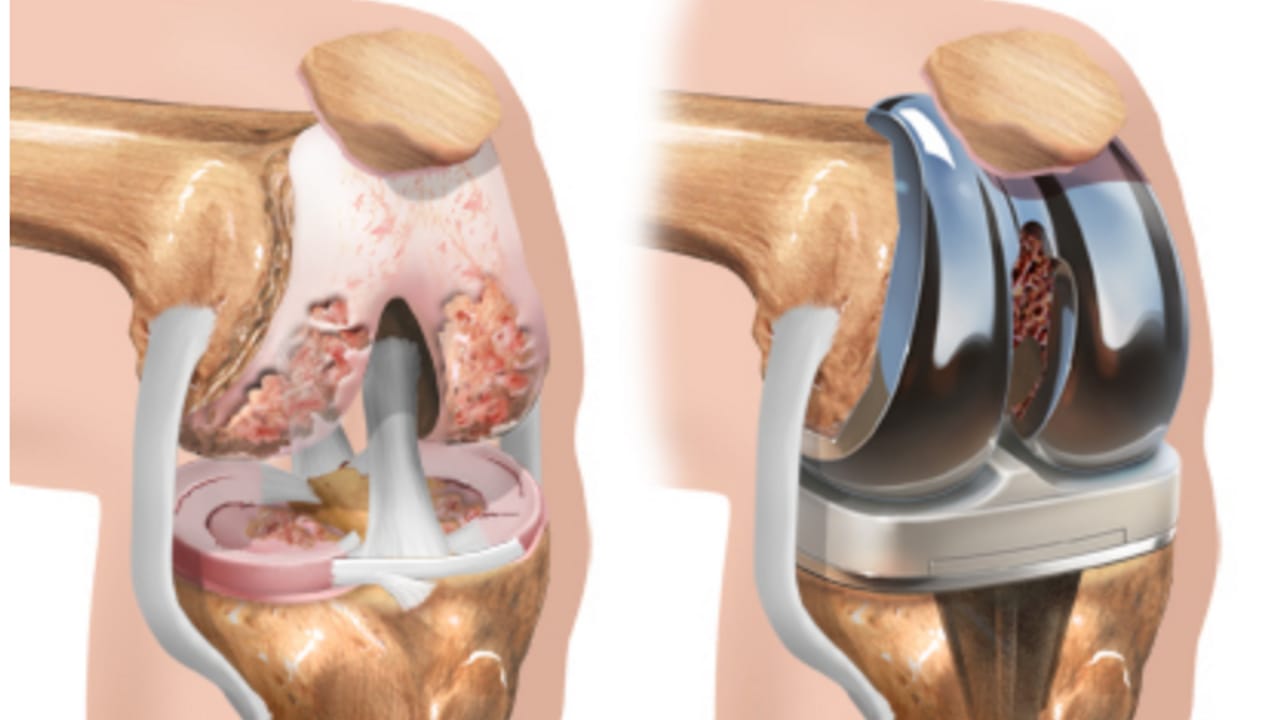
The Current Scenario
It’s a common sight in orthopedic clinics—patients struggling with knee pain, some limping through the waiting room, others navigating their pre-surgery anxiety. In fact, studies show that around 1 million total knee replacement surgery procedures occur annually in the United States alone. Why is this significant? Because total knee arthroplasty is not just a surgical solution; it’s a lifeline for those seeking relief from debilitating osteoarthritis and other knee-related ailments.
What Are the Underlying Pain Points?
When I reflect on my experiences, a recurring theme emerges: many patients overlook key facets of the surgery process. The traditional path leading to total knee replacement surgery can often feel like a maze to navigate. The predicaments aren’t merely about waiting for surgical slots; they encompass pre-operative evaluations, rehabilitation fears, and even concerns about long-term joint function. Who isn’t anxious about their mobility post-surgery? It’s these very real user pain points—painful joints, the fear of post-operative complications, and the uncertainty of recovery—that demand a closer examination. Transitioning towards enhanced user awareness can transform this daunting journey into a more informed experience.
Can Technology Be the Answer?
What if advanced technologies could ease these challenges? Imagine if innovative rehabilitation methods could optimize recovery times and improve outcomes; the future of total knee arthroplasty might just lie in this integration of tech. As patients gravitate towards digital health tools for information, support, and even pre-operative education, the potential to elevate surgical experiences is burgeoning.
Looking Toward the Future of Total Knee Replacement
Shifting gears towards a forward-looking perspective, the landscape of total knee replacement surgery is evolving quickly. By blending sophisticated imaging techniques and personalized medicine, orthopedic surgeons can tailor treatments to individual anatomical needs. Just think about the impact of robotic-assisted surgeries, which allow for precision that reduces recovery time—who wouldn’t want that?
What’s Next for Patients?
The future is bright but necessitates a proactive approach from patients. Becoming informed advocates (hello Google!) of their health is paramount. Patients need to weigh surgical options, engage with their healthcare providers, and understand the various rehabilitation programs available. Armed with knowledge, they can address their fears and become partners in their surgical journey.
Final Reflections
Reflecting on our journey through the state of total knee arthroplasty, I believe three key metrics should guide anyone considering this surgery: patient satisfaction rates, rehabilitation timelines, and recovery outcomes. By assessing these factors, one can make a more informed decision and potentially achieve greater mobility post-surgery. Ultimately, the transformation of knee replacement surgery isn’t just in the technologies or the methods but in patient empowerment. And remember, engaging with reliable resources, like Sunmoon Stem Cell, can lead to valuable insights that can make a significant difference.