Introduction — a shop-floor morning and a stubborn part
I remember walking into a small Johannesburg workshop where the morning shift was already muttering about a job that wouldn’t behave. The machine in question was a CNC turning and milling machine, humming but not delivering the part geometry they needed (and the foreman was not impressed). Data from that week showed scrap rates climbing above 8% on a set of components that should have been near-perfect — not a small cost when you add up material and downtime. So I asked myself: what subtle things are we missing that let reliable kit turn into a headache?

I’ll share what I’ve learned from hands-on fixes, late-night tweaks and frank conversations with operators. There’s a mix of small physics, people habits and control tuning at play — spindle speed settings, G-code habits and poor workholding will bite you if ignored. I’ll keep this practical and honest, ja — not just a list of buzzwords. Let’s unpack the practical problems first, then look ahead to smarter choices that actually keep your machines productive.
Part 1 — Where tradition trips us: hidden flaws in common solutions
When I first started checking machines more closely I found that many shops leaned on the same “quick fixes” for years. Some of those fixes work — until they don’t. For example, cranking up spindle speed to chase cycle time often hides tool chatter and increases wear on bearings. The workshop would blame tooling instead of questioning the root cause. I looked at a cnc turning and milling centre and noticed the same pattern: inconsistent coolant application, sloppy offsets, and a turret setup done for yesterday’s parts. These small things accumulate into lost hours and poor surface finish. Look, it’s simpler than you think — but only if you stop treating symptoms and start tracing causes.
Where exactly does the chain break?
Here are the common weak links I see: sloppy workholding that allows micro-movement; unchecked backlash in the axis; G-code that uses canned cycles poorly; and operators who lack time for proper setup. Each of those sounds small, but together they mean repeated rework. In one case I advised a team to adjust toolpath entry angles and re-torque the chuck — the scrap rate halved in days. It felt good. We also applied a quick check-list: spindle speed matches tooling spec, coolant directed at the cutting edge, and verify offsets before a run. That checklist saved time and gave operators confidence — which matters more than you might expect. — funny how that works, right?
Part 2 — Looking forward: tech choices and practical standards
Now for the part I’m keen on: how do we improve from here? I favour clear principles over tech-for-tech’s-sake. First, modern controls and smarter toolpath strategies reduce manual fiddling — but they only help if you pair them with proper fixturing and tool management. Second, invest in diagnostics: vibration sensors, spindle load monitoring and simple logs let you act before a problem forces a stop. I’ve helped teams adopt a basic condition-monitoring routine and the results were immediate — fewer surprise faults and more predictable maintenance windows.
What’s Next: practical upgrades or big overhaul?
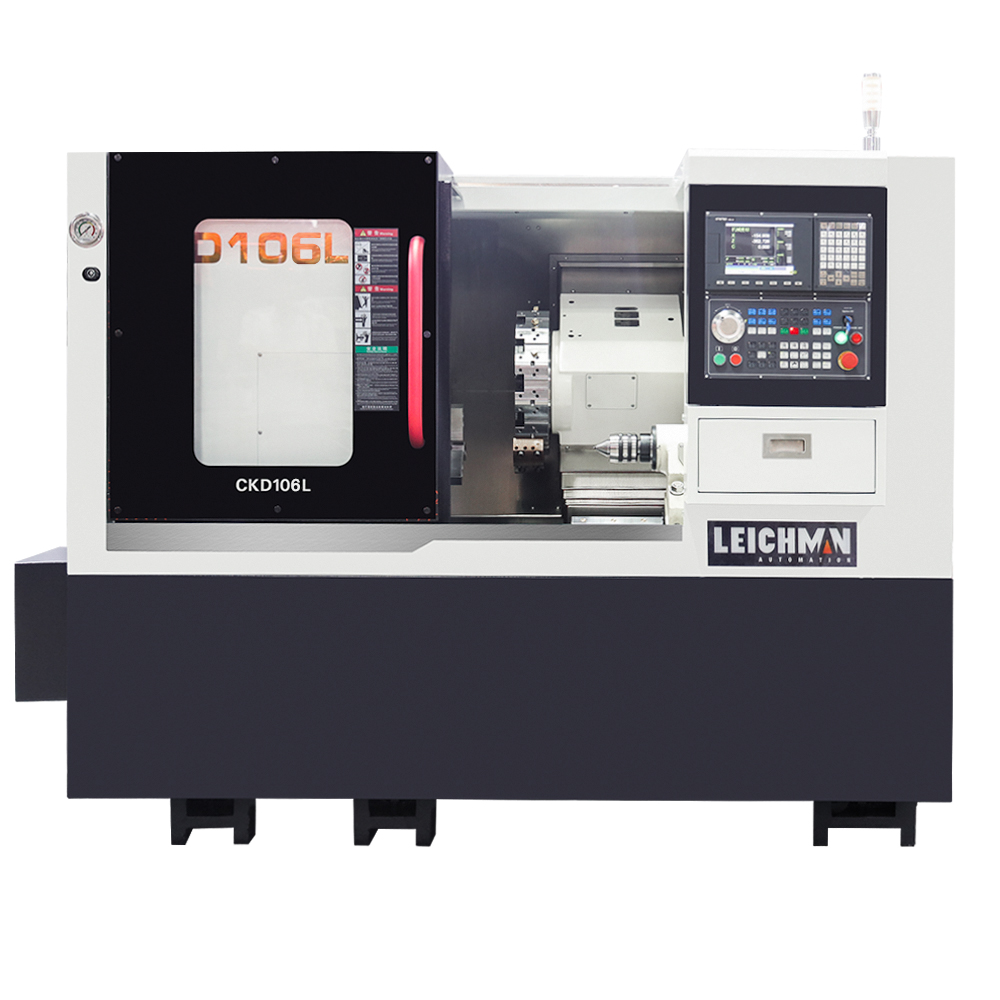
Compare two paths: incremental upgrades (better tooling, live tooling modules, improved workholding) versus full machine replacement. Incremental changes often give the best ROI for small shops. Take a heavy duty cnc lathe like those used for large shafts — upgrading the clamping system and reevaluating cutting parameters lowered cycle time and cut scrap. It’s not glamorous, but it works. We should judge upgrades by measurable outcomes: reduced rework hours, longer tool life, and steadier throughput. I’ll end with three simple metrics you can start using today — they’re practical and, yes, measurable.
Conclusion — three evaluation metrics and a final thought
Here are three metrics I use when advising shops: 1) First-pass yield (target percentage of parts that meet spec without rework); 2) Mean time between unscheduled stops (measure of reliability); 3) Tool-life per insert (to detect process stress). Use these numbers to compare options and to hold suppliers and teams accountable. I prefer clarity over cleverness: pick a metric, measure it, then improve it in small steps.
I’ve worked with many crews and machines, and my honest view is this: steady small gains beat one big expensive change most of the time. Be pragmatic, listen to your operators, and keep the basic maintenance tight. If you want a place to start, look at toolholding, spindle load trends and coolant delivery — they tend to give the biggest immediate wins. For real-world options and gear we’ve found reliable, check out Leichman.
