Introduction — scenario, data, question
Have you ever watched a clinic bring in a shiny new device only to see results that barely outperform the old one? I have — and it’s frustrating. Advanced red light technology is promising: it can speed recovery, improve skin quality, and boost cellular metabolism, but the real-world gains vary a lot across devices and protocols. Recent user reports and smaller trials suggest measurable changes in healing times and collagen markers (some centers report 20–35% faster recovery), yet many practices still struggle to turn that promise into consistent outcomes. Why does the same wavelength and power deliver such different results in different hands — and how do we decide which systems are worth the investment? Let’s walk through the weak links and the fixes. — next, we’ll look under the hood.
Part 2 — Where established solutions fail (technical)
Why do proven approaches still miss the mark?
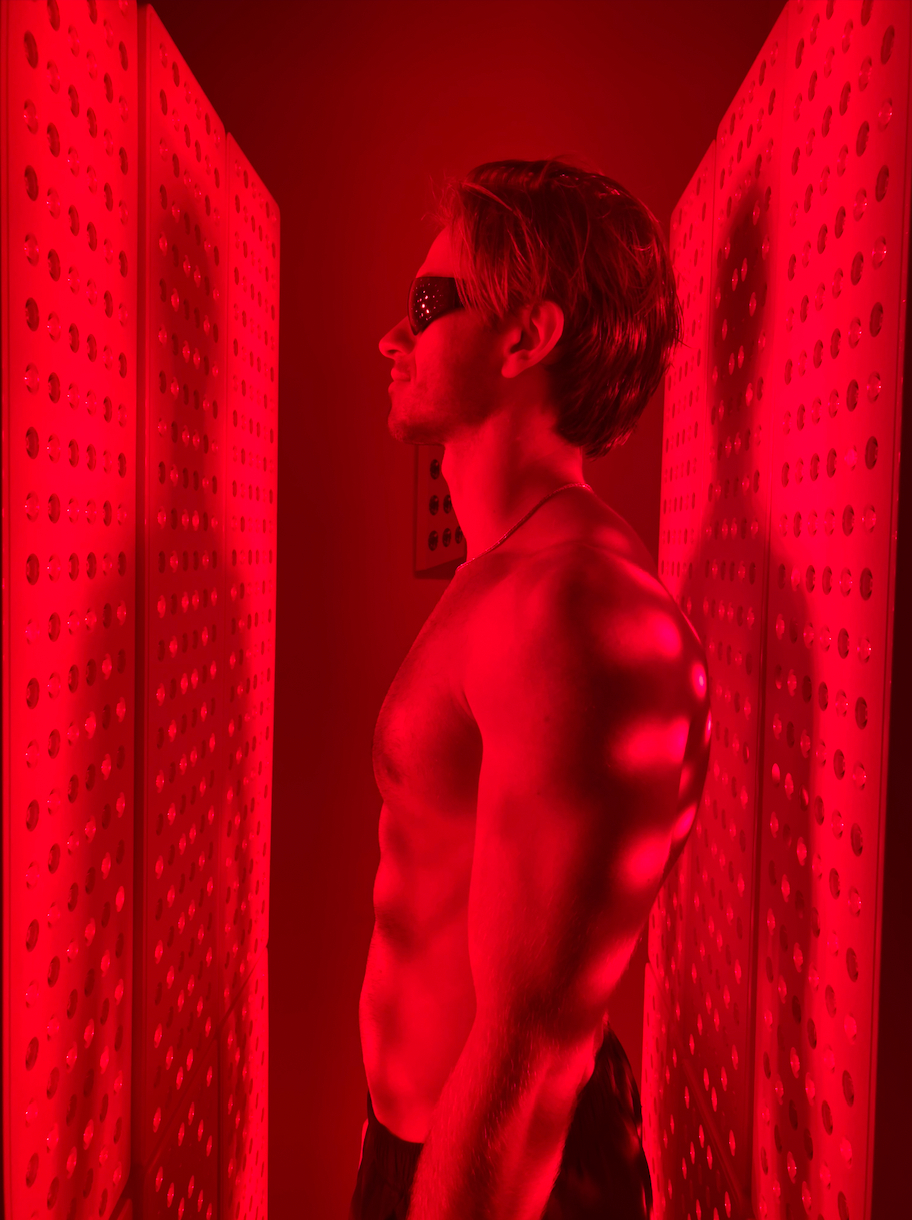
I want to be blunt: many manufacturers focus on specs that read well on a datasheet but do not guarantee patient benefit. When I compare modern devices I always start with practical performance, not just wattage. Take led technologies red light therapy as the baseline topic — you’ll find the same words across marketing, yet implementation varies. Common technical flaws include uneven LED arrays, poor wavelength tuning, and weak power converters that drop irradiance under load. These elements affect photobiomodulation at the tissue level. In my experience, clinics that ignore lamp uniformity or skip proper thermal management see mixed results — and higher maintenance bills. Look, it’s simpler than you think: consistent irradiance beats flashy peak numbers when you need repeatable outcomes. — funny how that works, right?
Another issue is protocol mismatch. Edge computing nodes and simple timers won’t fix a protocol built on optimistic assumptions. Providers often apply one-time exposure times across all patients, ignoring skin type, depth of target tissue, or device-specific beam profile. That leads to underdosing or overdosing — both harmful to outcomes. I’ve observed rooms full of gear and yet operators who are unsure how to measure delivered dose. If you want my opinion, the weakest link is not hardware alone; it’s the interaction of hardware, firmware, and human workflow. Fix any one in isolation and the system still falters.
Part 3 — New principles and practical outlook (semi-formal)
What’s next for reliable red light practice?
Moving forward, I focus on three practical principles that separate real improvement from hype. First, standardize dose measurement: track delivered irradiance over time and tune exposure using reliable sensors. Second, design for uniformity: choose LED arrays and optics that minimize hot spots and ensure consistent tissue coverage. Third, integrate feedback: closed-loop control or simple real-time monitoring keeps power converters and thermal drivers within optimal ranges. I’m optimistic — because these are engineering problems we can solve. When we pair smart device design with clear protocols, led technologies red light therapy stops being a gamble and becomes a tool you can trust. It’s a matter of composition (hardware + software + training) — and yes, some vendors get it right.
To help you evaluate options, here are three metrics I recommend using before you buy: delivered irradiance stability (measure over a session), beam uniformity (percentage variance across treatment area), and protocol adaptability (can you tune wavelength and dose for patient needs?). Use these and you’ll spot systems that look good on paper but fail in practice. I’ve seen dramatic shifts once teams adopt these checks — real, measurable gains. In the end, choose a partner that documents performance and supports training. For those who want a practical partner with measured results, check vendor track records and user data — because outcomes matter to patients and to your practice. Magique Power
