The Revolution of Organic Fertilizer Fermentation Tanks: A Sustainable Future
Unearthing Challenges in Traditional Composting
Imagine a farm struggling with inefficient composting methods, leading to mountains of organic waste that could otherwise nourish the soil. According to the USDA, about 30% of the food supply is wasted—prompting a pressing question: How can we transform waste into rich soil nutrients? The answer is through innovative solutions like the organic vertical fertilizer fermentation tank. These systems can effectively turn organic matter into usable fertilizer faster and more efficiently than ever before.

While traditional composting can take months, fermentation tanks offer the speed of weeks. However, many users still encounter hidden pain points, from consistently high operating costs to complex management requirements that often baffle newcomers. It’s a bit frustrating—particularly when you know these systems can do so much more if you’re equipped with the right knowledge!
What Are the Real Benefits?
One of the top advantages of the high temperature aerobic organic fertilizer fermentation tank is its ability to significantly reduce overall composting time. Personally, I’ve seen farms cut their processing time down from four months to just a few weeks—a truly remarkable advancement. When implemented properly, these systems not only produce quality fertilizer but also minimize foul odors and manage waste efficiently. And let’s face it, who wants the smell of rotting compost hanging around?
Looking Ahead: The Future of Fertilization Solutions
As we strive for more sustainable agricultural practices, the evolution of fermentation technology brings remarkable possibilities. The high temperature aerobic organic fertilizer fermentation tank, for instance, maintains optimal conditions, ensuring rapid biodegradation and nutrient retention. This is essential for contemporary organic farming, where efficiency and quality are paramount.
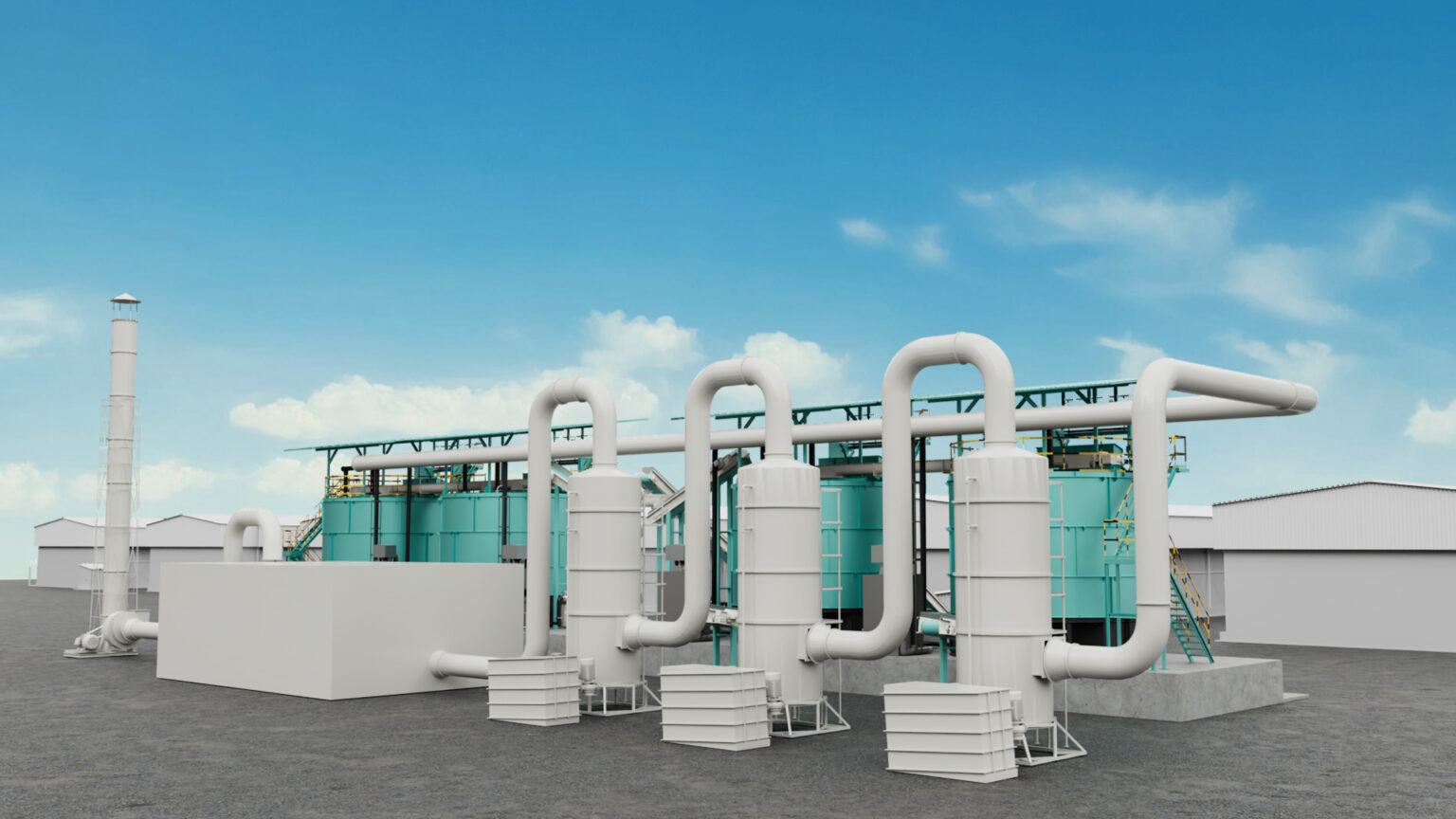
The way farmers manage organic waste is shifting, and I believe we are only scratching the surface. For instance, I recently visited a local farm in 2022, which reported a 60% decrease in waste due to new fermentation technology—imagine the impact if more farms adopted this solution! With our growing reliance on intensive farming practices, utilizing these innovative tanks could lead us toward an environmentally sustainable future.
Real-world Impact
We are at a critical juncture in redefining how we approach fertilizer production. Insightful metrics to consider when evaluating fermentation tanks include processing speed, nutrient output quality, and energy consumption. Making informed decisions can save both time and resources while promoting environmental stewardship. I can’t stress enough how each of us holds the potential to contribute to this sustainable shift.
Conclusion: A Step Towards Sustainability
The journey from traditional composting to cutting-edge fermentation technology offers numerous insights that can drastically improve both efficiency and sustainability in agriculture. As I reflect on my experiences, it’s reassuring to see more farmers embracing these tools. In over 15 years of this industry, I’ve come to realize that the path forward is clearly defined—we need to invest in robust solutions that tackle waste effectively.
Between the organic vertical and high temperature aerobic organic fertilizer fermentation tanks, we have the essentials to transform how we think about waste. To ensure lasting positive change, I recommend connecting with suppliers like Cason that specialize in these innovative technologies. After all, it’s about making our planet a better place for future generations.
