Introduction — a morning on the shop floor
I was on a shop floor once where the motors hummed like a busy kitchen and every machine seemed to have its own mood. The plant manager told me they lost roughly 12% of output last quarter to speed drift and frequent starts. A motor controller sat at the heart of that problem — its settings were old, and the operators kept overriding alarms (it made the line feel alive, but fragile). What if a few practical changes could turn that hum into a steady, reliable note?
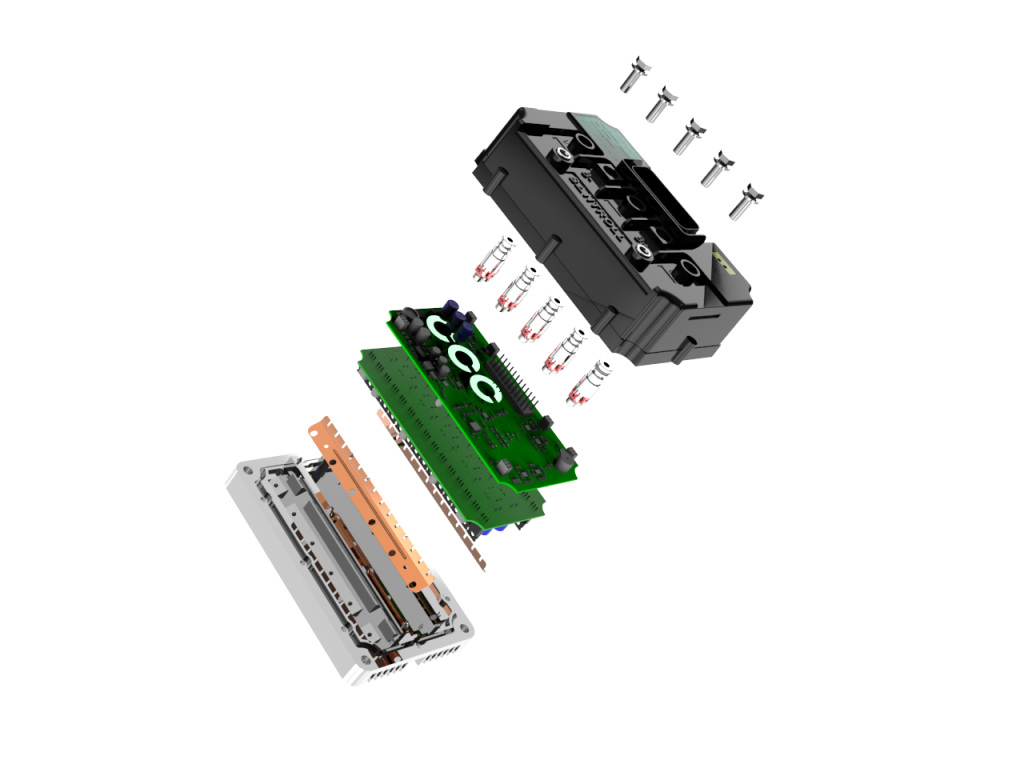
The scene is tactile: the faint oil smell, tiny vibrations underfoot, the bright blink of status LEDs. Data matters here — small percentage gains become dollars fast — so we ask: where do we fix first? This piece walks that path step by step and leads into how real controllers can be smarter, quieter, and kinder to the bottom line.
Part 2 — Where traditional controllers fall short
ac motor speed controller units have been around for decades, but older designs expose several hard limits. First, many legacy drives rely on crude open-loop schemes that hunt for the right speed and waste energy while doing it. Second, aging firmware and limited processing headroom mean poor handling of torque ripple and load transients. I’ve seen systems where a simple ramp change created excessive vibration and heat — and then the bearings complained.
Technically, the issue often comes down to limited PWM modulation finesse, weak vector control implementation, and basic feedback loops that lack true closed-loop control nuance. Look, it’s simpler than you think: if your controller can’t sense quickly or compute cleanly, it reacts late. That makes maintenance louder, failures sooner, and operators anxious — which is their real pain. For teams trying to hit uptime targets, these flaws add up to repeated, avoidable headaches.
Why do older controllers fail under load?
In one line, they were designed for a different decade — slower microcontrollers, fewer sensors, weaker power converters. When modern loads demand tight torque control and low noise, the old parts show their age. I still hear engineers say “we’ll just tune it,” but tuning hides a deeper mismatch between expectations and the hardware’s capabilities.
Part 3 — New principles and practical steps forward
What’s next? I favor a principles-first view: better sensing, smarter control algorithms, and modular hardware. Modern ac motor controller designs pair high-resolution encoders or current sensing with vector control and adaptive feedback. Those choices cut torque ripple and improve efficiency. In plain terms: measure better, compute smarter, act sooner. I’ve tested systems where a small upgrade in sensing cut energy use by noticeable margins — funny how that works, right?
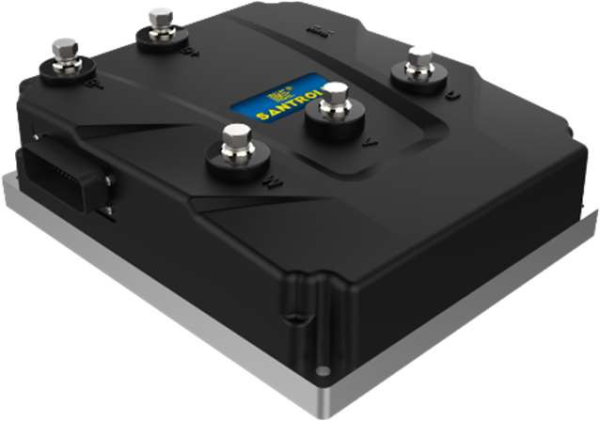
From a product-choice perspective, I recommend three metrics you can actually check: dynamic response (how fast the loop corrects speed), thermal headroom (how well the drive handles heat under spikes), and interoperability (can it talk to your PLC and edge systems?). Evaluate those, and you’ll avoid many surprises. In short — reduced downtime, lower noise, and cleaner production. I want to be clear: these are practical aims, not buzzwords.
What practical steps should teams take?
Start small. Add better current sensing or a modest vector control upgrade. Monitor realtime data for a few weeks, then compare. If you move to a modern inverter and pair it with a tuned controller, gains compound. We measured quieter lines, steadier speeds, and happier operators in just a month on one pilot — the change was almost immediate.
Choosing the right partner matters. I look for vendors who provide clear specs and field support, and who won’t make the process feel like a mystery. If you want a solid next step, consider suppliers who test under your actual load, not just on a bench. That approach saved one client from a costly mismatch last year — and yes, I still think about that day with a little relief.
For those comparing solutions, here are three evaluation metrics to keep on your checklist:- Dynamic response time: faster corrections mean less wobble and less scrap.- Thermal margin: look for drives and power converters that run cooler under spikes.- Integration ease: the fewer custom interfaces, the faster you see ROI.
If you want to dig deeper into concrete products and implementation help, I recommend starting with reputable vendors who publish clear performance numbers and support on-site testing. For a practical partner with solid offerings, check out Santroll — they balance solid hardware with sensible support and real-world testing.
