Introduction
An autonomous mobile robot moves well only when its brain is clear and disciplined. That brain is the amr controller. In practice, the controller coordinates perception, planning, and actuation so the robot stays safe and fast—even under stress. With amr control, we speak about a loop that must sense, decide, and move within a strict time window. Picture a mixed-fleet warehouse at the end of the quarter. Orders spike by 28%, Wi‑Fi is noisy, and aisles are crowded. The sensor fusion stack sends bursts; the real-time scheduler starts to jitter; near-stops rise to three per hour. This is not drama—it is operations. Now, data asks a simple question: when the load rises, does the controller keep the latency budget intact, or does it bleed milliseconds and confidence (and people notice)? The answer shows where reliability lives. Look, it’s simpler than you think: stability beats clever tricks. Let us trace the core constraints, the failure modes, and the practical trade-offs—then move to how to fix them.
Why the Old Playbook Breaks Under Load
Where do legacy models fail?
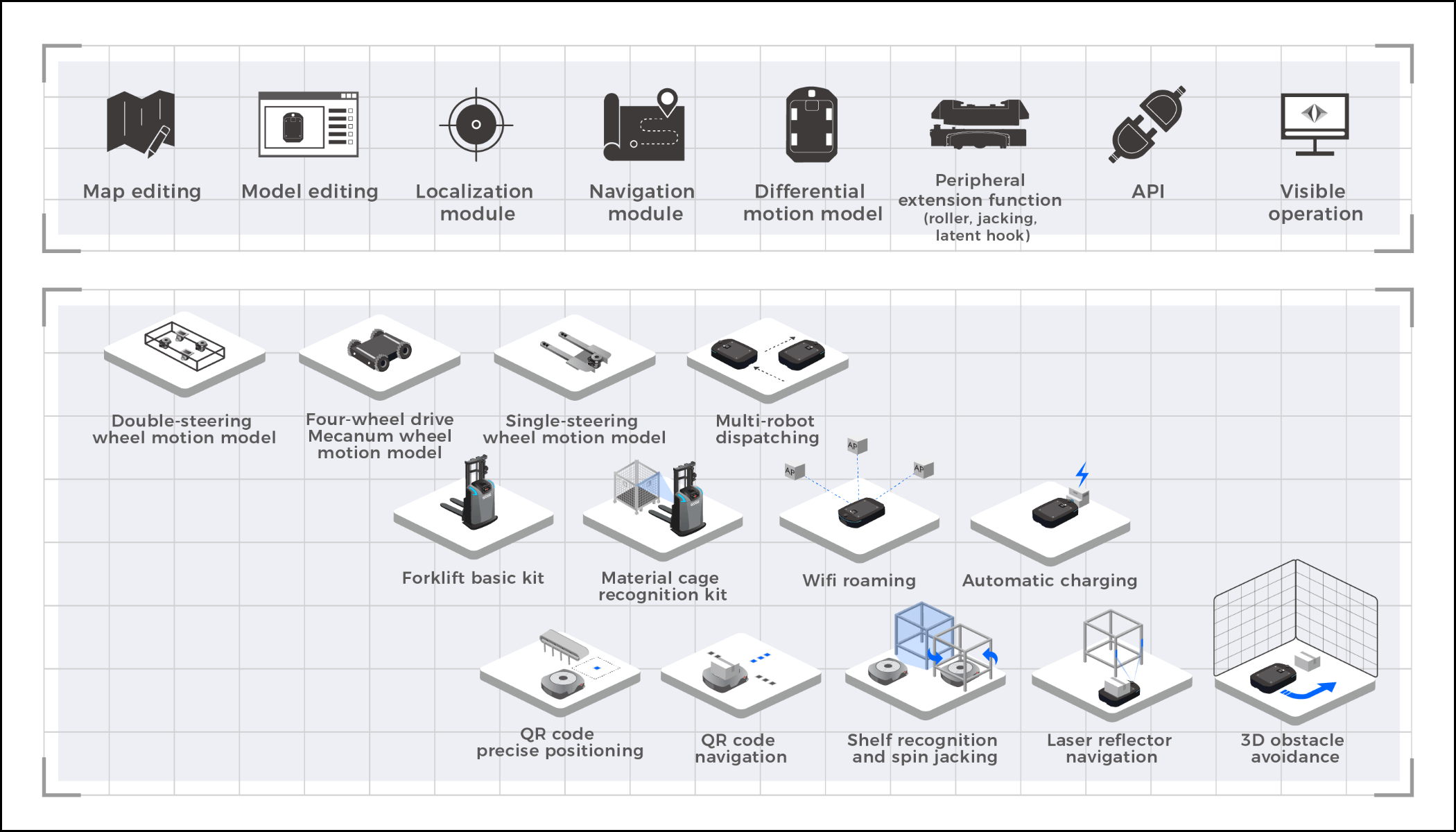
Legacy stacks often centralize the brain. A server pushes commands; each robot waits. It works—until it does not. Under peak demand, messages queue, the latency budget slips, and local safety rules fight with global plans. Static maps and brittle state machines cannot adapt to blocked aisles. You see deadlock, then manual overrides. The cost is not only seconds. It is trust. Operators learn to “tap to reset,” which hides poor design. Edge computing nodes are missing, so everything rides the same congested link. QoS profiles are mis-tuned, and retries flood the network—funny how that works, right? In the end, the system looks stable on paper, but it drifts in motion.
There are quieter problems too. Firmware is mixed across the fleet, so timing differs by robot. Power converters add electrical noise that leaks into sensors. Small delays stack into big stalls. When a planner cannot predict, it slows to stay safe. That is rational, but throughput falls. Look, it’s simpler than you think: a controller must protect time first, then compute more. Without a clear loop budget and a fallback plan for packet loss, even good robots underperform. This is why old patterns feel heavy. They push coordination to the wrong place, and the floor pays the price.
Principles That Push Forward
What’s Next
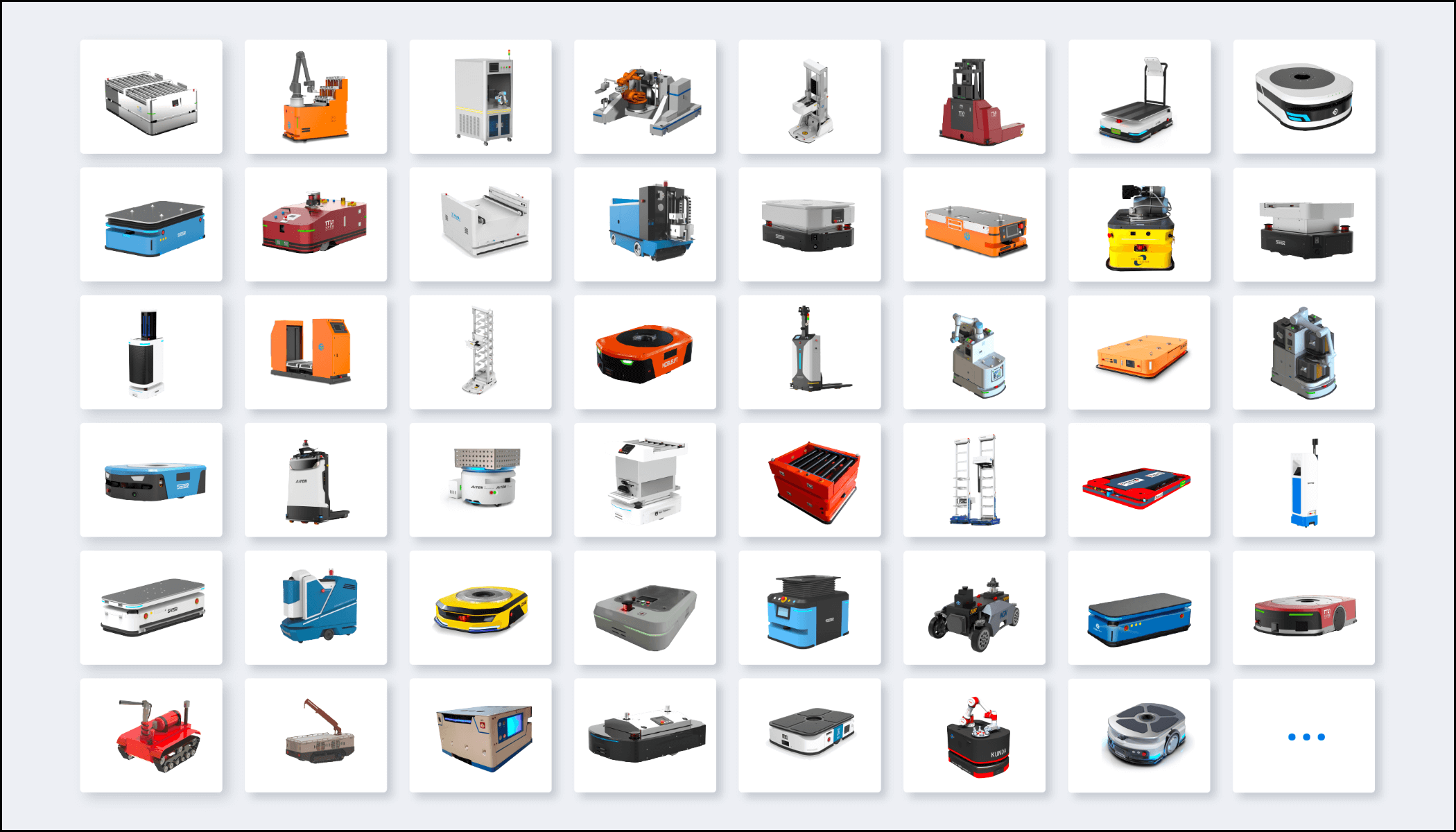
A better path starts with local autonomy and bounded coordination. Put planning near the robot; keep only intent in the cloud. Modern amr control uses model predictive control to forecast short horizons and re-plan fast. The map is not static; it is semantic and live. Edge computing nodes handle traffic shaping and safety arbitration. A digital twin runs shadow checks for risky transitions—quietly, in the background. When links degrade, the controller holds its loop and drops noncritical updates. This is the idea: protect the loop, schedule the rest. Short messages, clear QoS, small wins that add up. And yes, it matters.
From here, selection should be concrete. Three metrics will tell you if a controller will hold under pressure: 1) Timing integrity—95th percentile control-loop latency under peak load, measured with injected noise and contention; 2) Degradation behavior—graceful modes when sensors, maps, or network fail, validated on real obstacles and scripted jams; 3) Fleet fairness—how the system avoids starvation when tasks and routes collide, shown in logs, not slides. Compare these across vendors, and test with your floor data (not demo data). The result is simple: fewer human resets, smoother flow, safer margins. That is how a plant moves from fragile speed to durable pace—steady, predictable, and calm. SEER Robotics
