Why Stairwell Chandeliers Are Changing (and who’s driving it)
Here’s the straight truth: the stairwell is the most overlooked lighting zone in a home. A chandelier supply company sees that, day in and day out. That’s why modern chandeliers for stairwell are stepping in where flush mounts and weary pendants fell short. Picture this: company comes out for a site check, folks are squintin’ on the landing, shadows stack on each tread, and the old fixture runs hot. In many audits, we find poor CRI mixed with uneven lumen output. Add in bulky power converters and dated dimming curves, and you’ve got glare—plus wasted energy. Look, it’s simpler than you think: the problem isn’t just style; it’s control, beam spread, and safe height over foot traffic (nobody wants a bruised forehead).

What’s still going wrong?
Traditional solutions cared more about the foyer look than the stair run. They used heavy frames, glass that scatters light, and drivers that buzz when dimmed. Folks live with flicker, harsh hotspots, and bulbs that burn out early due to weak thermal management. And y’all, when maintenance means ladder gymnastics, that’s a non-starter. The hidden pain? Bad light angles and poor task visibility where you need it most—on risers and landings. Add low-voltage drivers matched wrong to the load and you’ll get strobing at low levels—funny how that works, right? So the question is: how do we keep the drama, boost safety, and make upkeep easy? Let’s stack the old against the new and see what’s really changing.
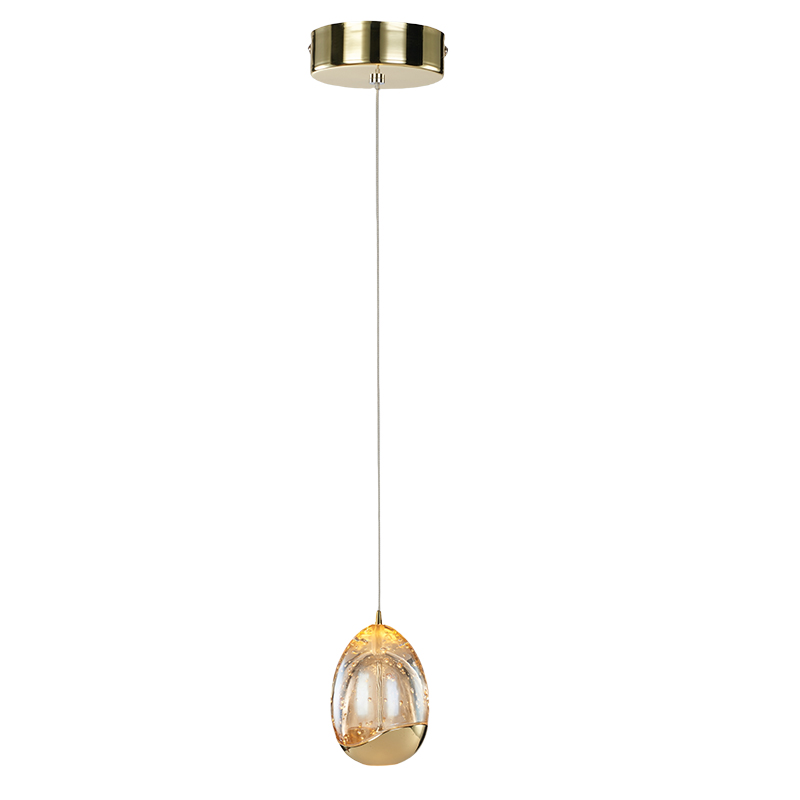
From Principles to Practice: How Smart Stairwell Chandeliers Raise the Bar
What’s Next
Think forward-looking, not flashy. New designs pair constant-current drivers with tuned optics so light lands where feet fall. Edge computing nodes in tiny sensors can trim output when daylight is strong, then ramp smoothly at dusk. With layered optical diffusers and better heat sinks, LEDs last longer and hold color. That means steadier CRI, stronger contrast on steps, and whisper-quiet dim-to-warm scenes. Compared to old pendants, the control stack now blends 0–10V, DALI, or even DMX for tall shafts—without the spaghetti wiring. In short, smarter “chandelier lights for staircase” like chandelier lights for staircase move from pretty object to precise tool—and they still look mighty fine. And when fixtures go modular, service is quick. Replace a driver, not the whole piece. Save time, save ladders. Save a few nerves, too.
So what should you weigh before choosing the next rig—besides looks? Advisory close, nice and tidy: 1) Photometrics and beam control: check delivered lux on treads, not just total lumens. 2) Control fidelity: verify smooth dimming curves, driver compatibility, and no flicker at low levels. 3) Lifecycle cost: assess thermal design, driver life, and ease of maintenance. Do that, and you’ll get drama without danger, glow without glare. And if the supply team speaks the language—optics, drivers, mounting load—you’ll feel it every step. Strange how the safest path can also be the best-looking one—funny how that works, right? For deeper specs and examples, tip your hat to kinglong.
